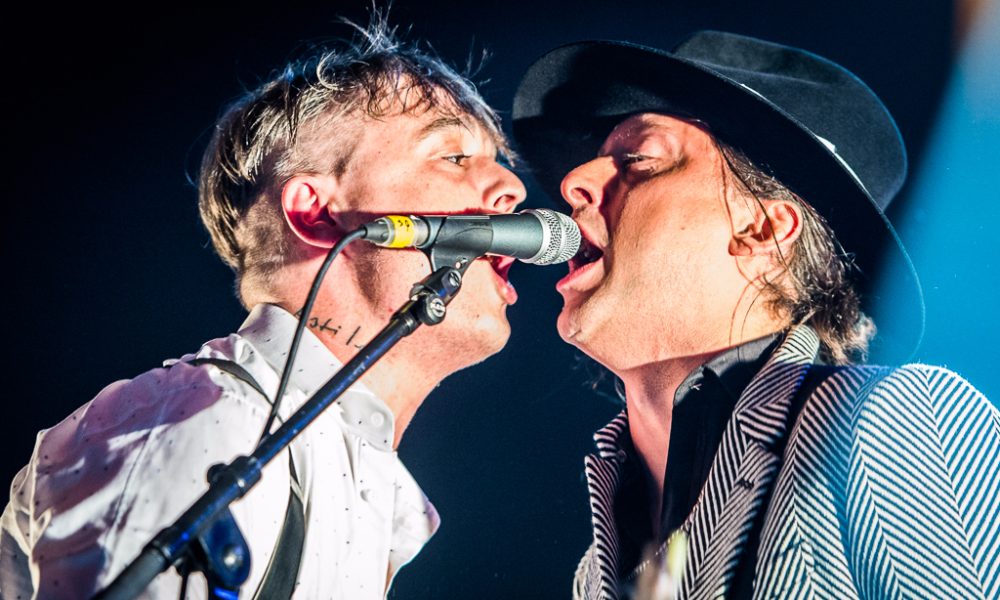
Week one of quarantine has been spent exhausting the entire catalogue of The Libertines and I can’t help but draw parallels between Pete Doherty and the Romantic poets, a group of writers that Doherty has previously recognised as one of his core influences. The band emerged onto the British music scene at the turn of the century when I could barely sing along to songs let alone understand them. However, if I could have belted out ‘What a Waster’ at the age of three, I certainly would have, regardless of the on-the-nose expletives. Now, two years into an English Literature degree, the lyricism of The Libertines appears to me to be a 21st century call back to a time where Byron, Wordsworth, Coleridge and others might just have been the messy-haired headline-magnets that were (and sometimes still are) Carl Barât and Peter Doherty.
When William Wordsworth changed the face of contemporary poetry in 1798 with the publishing of ‘Lyrical Ballads’, he opened it with a preface that emphasised the importance of using the language of the common man, as “in that condition, the essential passions of the heart find a better soil in which they can attain their maturity, are less under restraint, and speak a plainer and more emphatic language”. This is a long running theme of The Libertines music, with their frequent accessing of colloquialisms and British slang resonating with those who use that language in their every day lives. For instance, the track ‘Iceman’ which appears on the 2015 effort ‘Anthems for Doomed Youth’ is packed full with references specifically for their British audience, with “Suedehead”, “how’s-your-father bookie’s runner scene”, and “rummest sort Stockwell had ever seen” being the blatant examples of this. Here, the lyrics seek to penetrate the imagination of the local Brit, drawing on their past experiences to create a vivid image in the mind of the listener and a subconscious national identity. Again, we can see this adherence to Wordsworth’s themes in ‘Time For Heroes’ when Doherty sings “He knows there’s fewer more distressing sights than that/ Of an Englishman in a baseball cap/ And we’ll die in the class we were born/ But that’s a class of our own my love”. With these lines, Doherty channels Wordsworth and his appreciation of the everyday and manages to perfectly encapsulate what it means to be British in 2002, with connotations of the political atmosphere being romantically infused with the embracement of who we are.
More broadly, the lyrics of the band directly reflect the attitude of writers of the Romantic period, although reacting to different problems that come with the times. As Clare once refuted serfdom and longed for the reinstatement of common land ownership, Doherty and co retain the core fundamentals of Britain, creating the ‘Albion’ lore that permeates throughout their music. Ever the victims of tabloid press and juvenile journalists,Doherty expresses his discontent with what has become of the media in the track ‘Tell the King’, taken from their debut, ‘Up the Bracket’. Although referencing Barât with the lyrics “You’re like a journalist/ No you can’t cut and paste and twist/ You’re awful”, the lines carry the connotation that Doherty is restless with the misquoting surrounding him; this being just one indication that the “Arcadian dream” mentioned on ‘The Good Old Days’ is well and truly slipping away for the band and wider society. Nevertheless, “the Albion sails on course”, with The Libertines still yearning for that paradise land that proves so elusive.
And like Samuel Taylor Coleridge did in ‘Lyrical Ballads’, Doherty is not afraid to take a turn away from reality, conjuring what is presumably fictional accounts of events (although, with Doherty, even the most unbelievable stories usually appear true). Coleridge managed to slip ‘The Rime of the Ancient Mariner’ into ‘Lyrical Ballads’ and largely subverted the grounded reality of the rest of Wordsworth’s included works. The poem isn’t particularly mystical but definitely feels unique in the context of the surrounding work, and the same might be said of ‘Up the Bracket’ – the title track of The Libertine’s debut album. Sonically, the track is vintage Libertines, yet within this track the listener is given a narrative where Doherty consistently refuses to give up his friend to two “shadow men”. There is no real resolution to the narrative aside from the presumption that the subject of the song will “end up like Joseph, bloody in a hole”, in reference to the bible character who is thrown into a well out of jealousy from his brothers. It’s a great song and one of the band’s best, and I might suggest that its subtle differences from the rest of the album in the regard of narrative content make it stand out that bit further, just as Coleridge did with his poem several hundred years ago.
With these paragraphs, I have barely scratched the surface of what makes The Libertines so unique and one of Britain’s best ever contributions to modern music, but their parallels with classic literature gives them an extra layer of nuance that many of their contemporaries lack. Doherty is a true poet and, most importantly, a voice for the people. If you keep up to date with his goings on, you’ll know that he is now in property with the rest of the band, with ‘The Albion Rooms’ in Margate being a hotel/ studio that doesn’t ask to be anything more than homely and enjoyable for its visitors. When he’s not walking his huskies on the beach of Margate or recording with the Puta Madre’s, Doherty is popping up outside music shops on Record Store day to perform guerrilla gigs to small crowds on the streets or polishing off full English breakfast eating challenges in random cafes. Carl Barât is more the classic rock and roll star both in looks and personality and is a phenomenally talented guitarist, yet the mysticism that surrounds his co-frontman is what really propels the band into the stratosphere. The young lad who subscribed to the Umberto Eco view that Noel Gallagher’s a poet and Liam’s a town crier descended on a rocky trip through fame, fortune and drugs and came out the other side (remarkably) as possibly the last ever Romantic poet, always staying true to his roots and being, unapologetically, Peter Doherty.
“And we’ll die in the class we were born, but that’s a class of our own, my love”
 The Turntable